Over the past couple of months, I’ve moved back and forth between extended travel and full-time work more than once. It hasn’t been long enough to draw conclusions about retirement — but it has been long enough to notice what happens in the transitions.
This post isn’t about deciding what retirement will look like. It’s about paying attention to how it feels to move repeatedly between work life and extended travel while I’m still employed and planning what comes next. This period of observation ties directly to why I’m designing a retirement around solo travel rather than a fixed destination or traditional timeline.
What My Recent Pattern Actually Looked Like
Over the last two months, I had the opportunity to take two longer cruises over the holidays, with stretches of work in between. It turned out to be a revealing experiment.
November began as usual, with workdays filled with prep for the end of the term and evenings planning for a trip scheduled for the second half of the month. I was able to combine vacation time with the Thanksgiving holidays to allow for a longer trip. I flew over a day early and met a couple of friends in Lisbon. From there, I boarded the Azamara Onward for a transatlantic cruise from Lisbon to Miami. It was a great trip with a lot of relaxation.
I flew from Miami back to New Jersey on Sunday and was back to work on Monday. Luckily, I had kept up with work email while on the ship, so I didn’t feel too far behind. That made the transition back to work smoother than I expected. Just as I was getting into the swing of things, it was time to prepare for the next cruise.
This cruise was an 18-night holiday sailing through the Caribbean on the Azamara Quest. I arrived in San Juan the day before boarding to ensure I would be there in time to start the cruise relaxed and unhurried. We arrived in Miami early Monday morning, took a flight that afternoon, and got back to New Jersey late that evening.
Then it was back to work again. I paused at home for a single day before returning to the office that Wednesday. It was quite a couple of months.
The Physical Side of Moving Between Modes
As I learn to travel for longer stretches, I’m also learning about the energy required to sustain it. One of the most important things I’ve already learned is that it’s okay to choose to “not.”
There are times when I just don’t feel like participating or going on an excursion or sitting with a group at dinner. As trips get longer, I’ve realized I need to adapt and limit constant external stimulation. As a strong introvert, being around people and constant noise for days on end is draining.
On these trips, I also learned how to better manage the energy required for travel days themselves. I no longer take the first flights out. Yes, that comes with some trade-offs, but right now I am lucky to live near airports with direct flights to major port destinations. I also make a point of staying hydrated and having light snacks to sustain me. This makes recovery time uneventful.
Arriving the day before embarkation whenever possible also helps ease stress. Arriving in the afternoon, getting a good rest, and making my way to the port at a reasonable time eases a lot of tension. In Puerto Rico, I stayed at a hotel directly across the street from the port. I simply rolled my suitcases across the street and down the sidewalk.
It was beyond easy — and a clear lesson in reducing complications whenever possible.
These small adjustments have taught me that sustainability in long-term travel is less about doing more — and more about designing for energy, ease, and recovery.
The Mental Shift Between Work Life and Travel Life
As I reflect on the mental shifts, I’ve realized that much of the stress I felt was situational. I was more likely to feel the pinch when I knew everyone was working and that I had things that needed to be done as well. It wasn’t fear of missing out, as I’ve felt in the past — it was the weight of knowing what would be waiting for me when I got back.
In the first couple of days away, I was still in “must-do” mode and stressing a bit. Once on the ship and heading to the first port, I was able to relax and not think about work or the stacks of things that would need to be done when I returned. On the first trip, that feeling was sustained throughout.
There was less preparation for the second cruise since I left most of the toiletries and other supplies in the suitcase. That was more a matter of making sure the clothes were clean and everything would fit in the bags. I’ve also learned that there’s very little I can’t pick up along the way if I forget something. That realization eases a lot of the packing stress.
Dealing with work during this time was a little strange. It felt like being in a temporary state. I knew that I only had 13 days between the trips, so I dealt with priorities as best I could.
Once on the ship, I was able to leave work behind quickly and get right back into the flow of ship life. That lasted until three or four days before debarkation, when I started thinking about everything that would need to be done when I got back. It reached a point where I took a couple of those days to handle some high-priority items while still on board. (Thank goodness the internet was good.)
Moving between these different states of mind turned out to be one of the most revealing parts of the experiment. I may try to be more intentional in the future — for example, setting aside one or two work days during a cruise so the final stretch remains uninterrupted. This feels like the kind of adjustment that can only come from experience, not planning.
What Became Clearer the Second Time
This experiment made it clear what repetition reveals — and what novelty often masks. One of the biggest lessons was realizing how much freedom exists in taking it easy.
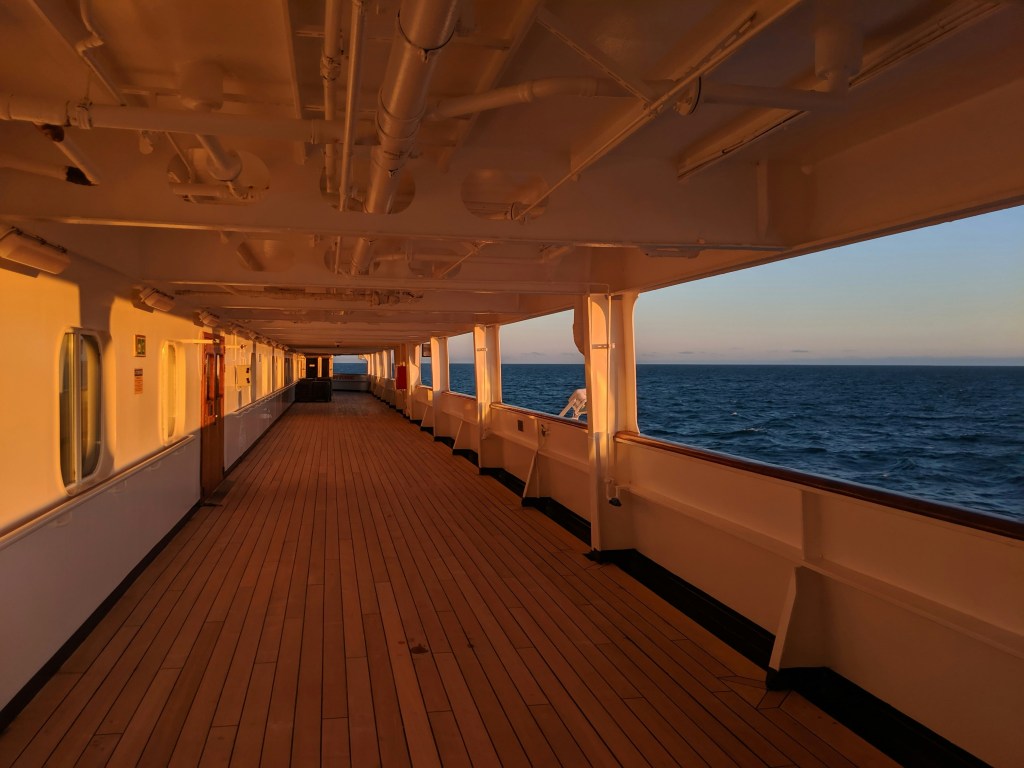
Knowing I would be on the ship for nearly a month — even though it was broken into two segments — gave me the freedom to choose. Sometimes that meant dinner delivered by room service instead of the dining room, or skipping a trip around an island to stay on a truly quiet ship and read on deck.
That is freedom to me — the ability to choose.
I also learned that ship life, by nature, is repetitive. If you’re on the same ship for two sailings, as I was on the second cruise, the captain’s toast will feature the same captain and officers — and the same jokes. Knowing that simply provides options. Maybe I go to the piano lounge instead of the theatre for the toast.
For me, it doesn’t take away from the trip — it’s just something to keep in mind when I plan my day.
Repetition doesn’t diminish the experience — it creates room for choice. This is exactly why I believe in test-driving a retirement lifestyle before fully committing to it.
How This Is Influencing How I Think About Retirement
In this recent stretch of travel, I was able to plan two months that included downtime, periods of high energy, and moments of real stress. As I think about retirement, I’m increasingly drawn to the idea of planning in three- or four-month chunks. This approach fits into the broader 20-month countdown I’ve been using to prepare for retirement while still working full time.
Instead of trying to plan a year or two in advance, it may make more sense to plan based on how I actually want to live during that time.
Based on what I’ve learned so far, fewer transitions may be key. As I saw on the ship, learning what the local restaurants are like might have me eating out most days. In other places, I might find myself cooking at my temporary home most days.
Either way, I’ll only gain that insight by staying long enough to settle into a real rhythm. That feels like a more sustainable way to think about retirement — less about checking boxes, and more about paying attention.
What I’ll Be Watching Next
This is a particularly heavy work period for me. My goal is to continue planning upcoming trips while gaining a clearer understanding of travel and living costs on the road. I’m tracking all of this using the same retirement transition budget framework I’ve been refining throughout this process.
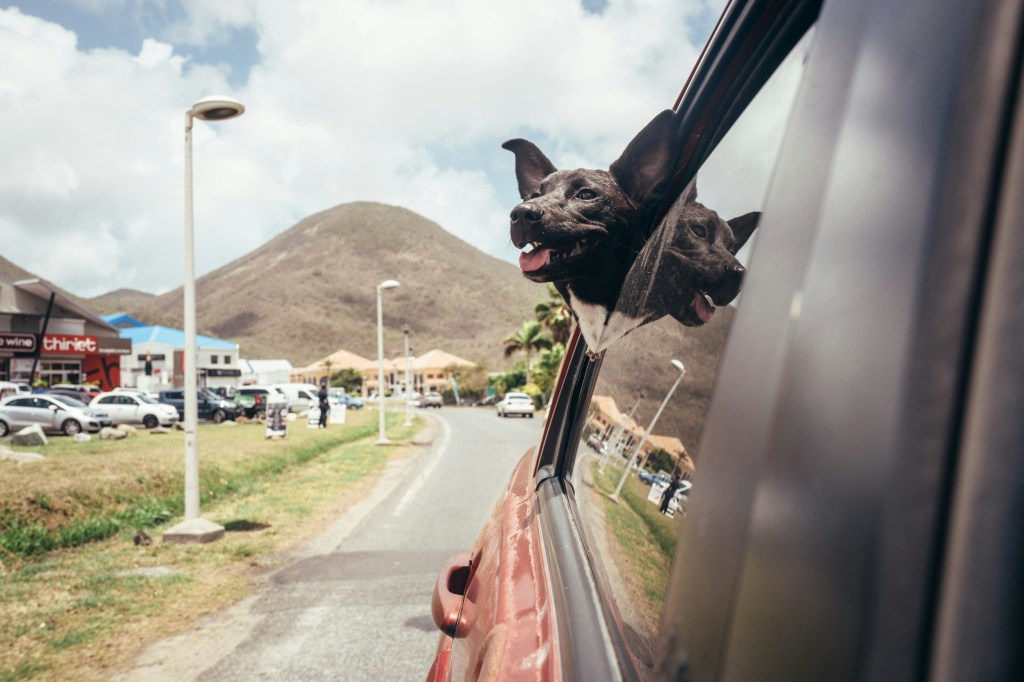
I’ll also be taking a few day or weekend trips with Bobo to help acclimate him to different settings. This will help both of us move into the next life phase.
Overall, I’m deliberately not drawing final conclusions yet — this phase is about observation, not decisions. For now, paying attention feels like the most important work.
 Solo Travel by Design
Leave a comment